About the services we provide..
Fertilization promotes better leaf coloration, strengthens root systems, and ensures the general good health of trees. Its effects take the form of larger fruit, greener leaves, and thicker foliage. The typical application consists of 1–2 pounds of iron and nitrogen-rich fertilizer for each foot of trunk height.
Tree pruning or trimming is more than the simple removal of dead wood. It relieves the tree of excess weight and encourages a proper shape (growing out and up instead of down and out), both of which make for healthier trees.
Debris removal is the disposal of excess or scrap tree limbs, trunks, branches, and leaves.
We use the latest and most efficient power equipment: top-of-the-line brush chippers, stump grinders, chainsaws, hand pruners, fertilizer drills, and chipper trucks.
The ins and outs (and ups and downs) of Cabling
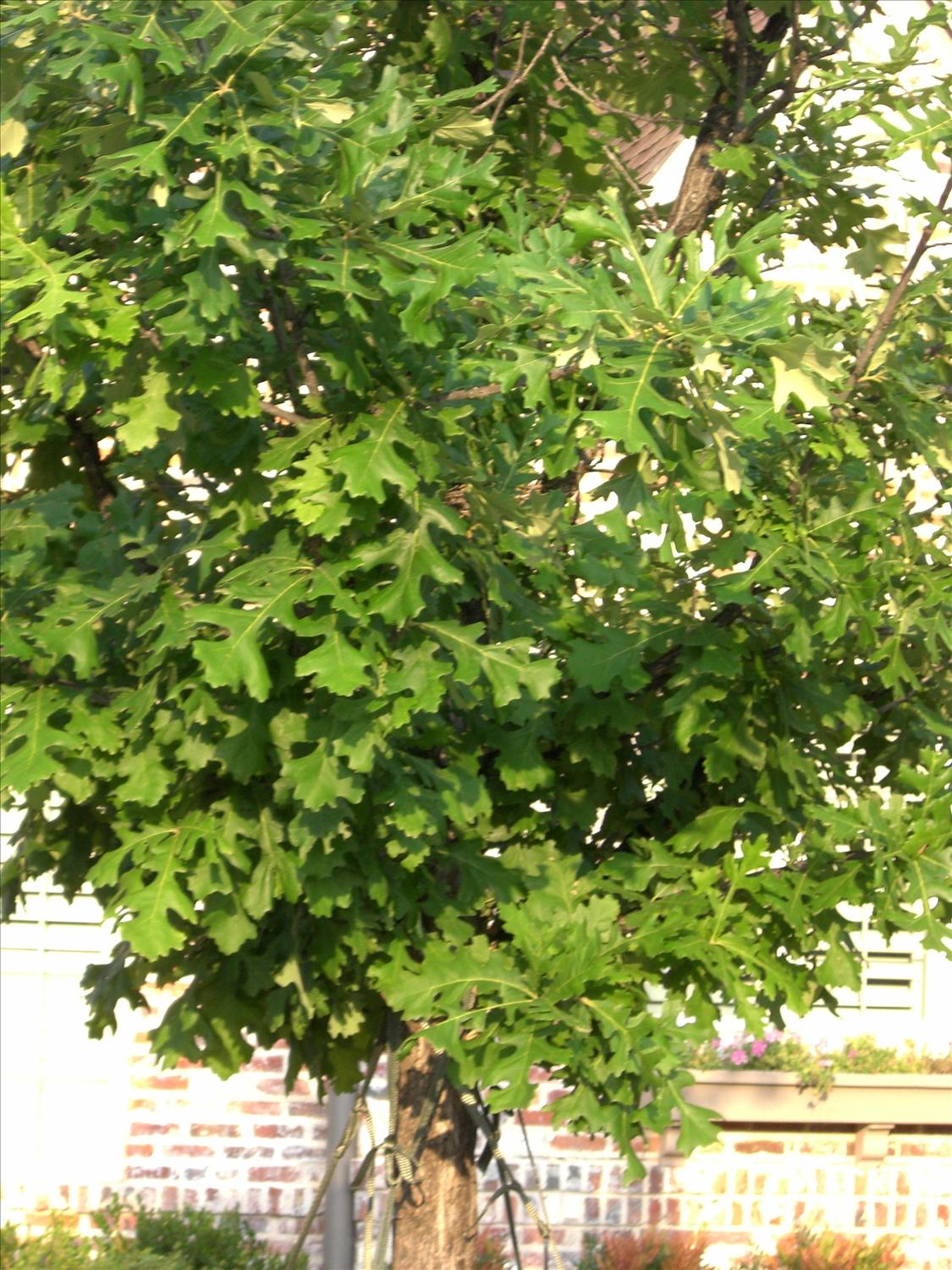
Cabling starts with cracks at all crotches. Holes are drilled through limbs, then cables are installed at specific places in the tree and secured with bolts.
This is done to prevent trees from splitting apart. Trees have natural stress points. If the branches grow too long at too far of an angle, they can split — especially on low-trunk trees. Cabling prevents this when done properly.
Tree removal or deadwooding is done to prevent liability to the property owner if a tree is hazardous, meaning a weak or diseased tree with a cavity or hole that can weaken due to decay. Such trees may fall on a passerby or property, or a tree that has died.
Recent Comments